Words Should Not Stay Buried in a Recording
Your current transcription process is costing you hours. Isn’t it time to end it?
Audio and video evidence can hold the detail that moves an investigation forward. A name, location, threat, timeline, relationship, contradiction.
A phrase that only becomes important when it can be found, reviewed and compared.
But when spoken content depends on manual listening, replaying and typing, evidence takes longer to become usable.
S21 Transcriber gives investigators a faster route from recorded media to searchable, reviewable material, helping teams bring spoken evidence into the investigative workflow earlier.
The issue is not simply whether audio exists, it is whether investigators can use it quickly enough.
Manual Listening Should Not Be the Starting Point
Every recording still needs investigator judgement, but investigators should not have to listen from start to finish just to find the moments that deserve attention.
Manual transcription turns review into a slow line-by-line process. The investigator listens, pauses, rewinds, types, checks, repeats and searches by memory until the recording finally becomes usable. That is not the best use of skilled time.
It also leaves spoken evidence sitting partly outside the searchable case environment. Until the words are transcribed, investigators cannot properly search them, compare them, extract key passages or use them efficiently in reporting.
A recording may contain important detail, but detail that cannot be searched is harder to act on.
The Tool That Brings the Words Forward
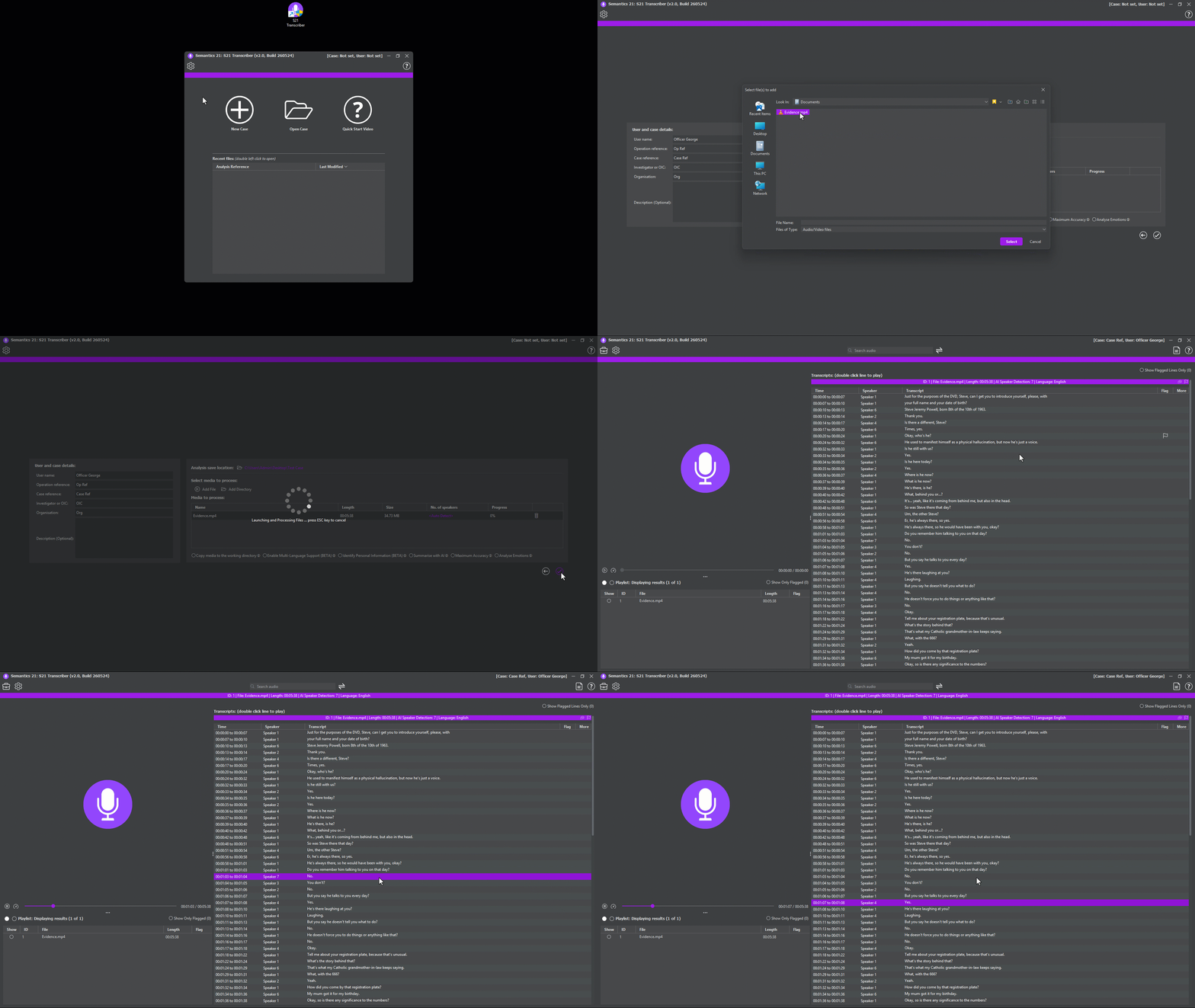
S21 Transcriber turns spoken evidence into searchable intelligence, fully offline.
It helps investigators convert relevant audio and video into searchable text to support review, analysis and reporting workflows. That gives teams a clearer route from recorded media to focused investigative review.
S21 Transcriber is built for operational use in investigative environments. It supports efficient search, review and reporting while keeping judgement with trained users.
The aim of S21 Transcriber is to bring the words forward so investigators can find, review and use spoken content with greater speed, clarity and control.
Search Changes the Value of Spoken Evidence
Once spoken evidence becomes searchable, the workflow changes.
Investigators are no longer relying on memory, handwritten notes or repeated listening to return to key moments. They can search for key phrases across recorded material.
That does not remove the need for review. It makes review more focused.
The investigator still assesses the context, meaning and evidential value of what has been said. S21 Transcriber simply helps bring the words into a format where they can be found, checked, compared and used more efficiently.
Silence Should Not Slow the Investigation
Monsters rely on silence.
S21 Transcriber helps investigators bring the words forward – searchable, reviewable and ready to support the investigation.
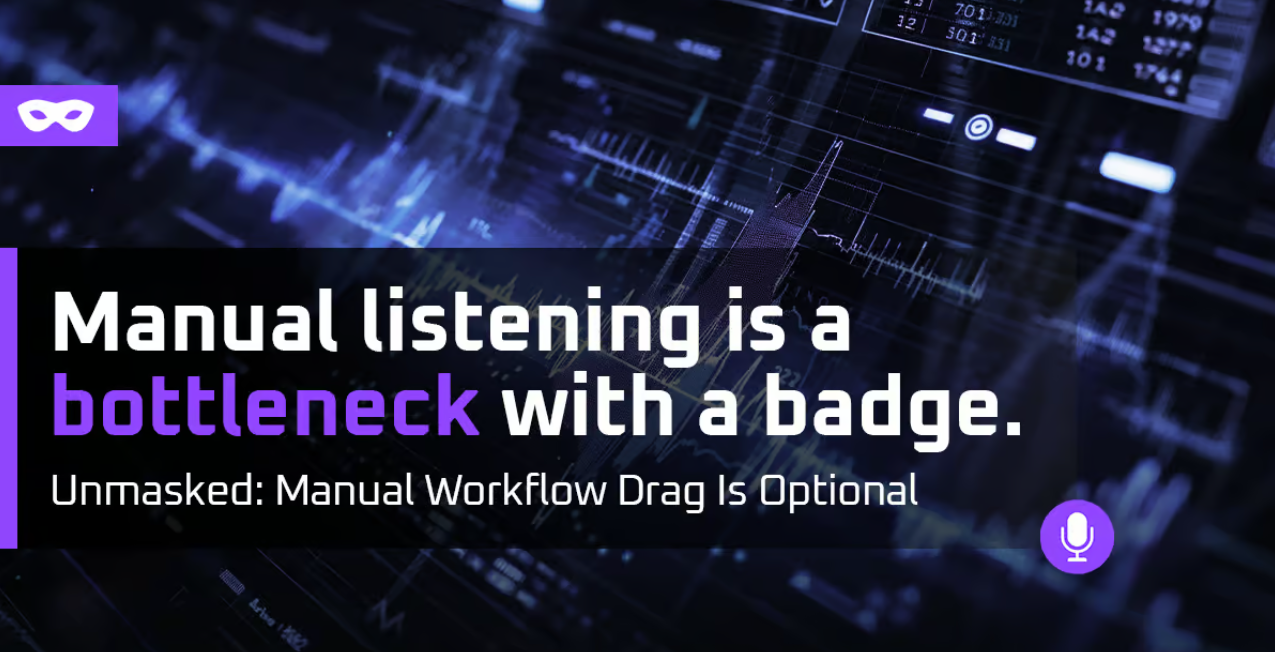
Manual workflow drag is optional. Spoken evidence should not stay trapped inside recordings because transcription takes too long.
Interested in Finding Out More?
Click here to email Semantics 21 and express your interest in S21 Transcriber.