
of survey respondents reported active suicidal or self-harm ideation.
This is four times the rate estimated for the general working population.
Forensic Focus is demanding urgent, meaningful action to protect the well-being of digital forensic practitioners. Our campaign calls for stronger supervision, better support, safer workloads and long-term change across the profession.
If this affects you, support is below — or call Samaritans free on 116 123 (UK, 24/7). All support services ›
have seriously considered leaving the profession in the past year.
of respondents receive no clinical or psychological supervision whatsoever.
find case volume backlog very or extremely stressful.
N = 179 participants | International sample | June 2026
Eight demands for a healthier field.
To protect the well-being of practitioners and ensure the sustainability of this vital work, we are calling for urgent action across eight key areas. These demands set out practical steps to improve standards, strengthen support, reduce unnecessary pressure, and create healthier, more effective working environments.
-
With 49% of investigators receiving no clinical or psychological supervision whatsoever, and former mandatory processes having been quietly dismantled in many organisations, there is an urgent need to reinstate and formalise regular (minimum monthly) structured supervision for all staff with significant exposure to distressing material. Critically, the quality problem is as acute as the access problem: of those who do receive supervision, 74% rated it no better than adequate, and only 27% rated it good or excellent. Supervision must be delivered by practitioners with specific knowledge of trauma, forensic contexts, and vicarious traumatisation — and its quality actively monitored.
-
The most-cited barriers — lack of time (48%), fear of career impact (34%), and confidentiality concerns (37%) — demand systemic solutions. Organisations must embed support within working hours, provide unambiguous assurances of confidentiality, and actively address the documented culture in which disclosure leads to career termination rather than care. No investigator should ever feel they do not have time to take care of their mental health.
-
The emerging landscape of AI-generated CSAM is creating novel psychological pressures and investigative challenges for which investigators currently receive minimal preparation or guidance. Dedicated training covering psychological impact, classification protocols, courtroom evidentiary standards, and the unique moral distress of misidentification is urgently needed.
-
Case-volume backlog and time pressure were the highest-rated stressors in the study — often surpassing the stress of exposure to harmful material itself. Resource allocation, staffing levels, and caseload management must be reviewed at a strategic level. The finding that there is ‘not room for anyone to take a break’ from CSAM cases in some units represents an organisational failure that cannot be addressed through individual resilience alone.
-
One in five respondents reported active suicidal or self-harm ideation at clinically significant frequencies — around four times the estimated general workforce rate. Organisations must implement immediate, proactive, and confidential well-being screening with clear crisis referral pathways. Self-referral, annual questionnaires, and EAP signposting alone are wholly inadequate safeguards for this population.
-
86% of investigators either never or only occasionally access peer debriefs, despite peer connection being a widely evidenced protective factor for trauma-exposed professionals. Structured peer support, delivered by trained supporters who understand the unique demands of digital forensics, may in practice be the most reachable protective intervention available to the greatest number of investigators.
-
ADHD (17%) and autism (10%) prevalence in this sample is approximately 4–6 times higher than in the general population — yet no published research examines how the role’s stressors affect neurodivergent investigators differently. Research into this population is overdue; in the interim, well-being support must be explicitly designed to be accessible and appropriate for neurodivergent practitioners, not merely formally available to them.
-
Cross-sectional data cannot establish causality or track change over time. A longitudinal study — tracking the same investigators over multiple years — would enable more robust conclusions about cumulative impact, the effectiveness of interventions, and early identification of those at greatest risk of harm or attrition. Forensic Focus intends to repeat this study to begin building that evidence base.
The study behind the campaign.
Paul Gullon-Scott BSc MA MSc MSc FMBPsS
The largest study of its kind into the psychological, physical and occupational health of digital forensic investigators — using validated clinical measures (PCL-5, GAD-7, PHQ-9, PHQ-15 and others) with bespoke modules on AI-generated CSAM, supervision and coping. Every campaign demand above is grounded in its findings.
🎧 Hear the findings discussed: Burnout, PTSD, Suicidal Thoughts — the study results podcast with Paul Gullon-Scott and Phil Anderson.
Gullon-Scott, P. (2026). Forensic Focus International Well-Being Study. Forensic Focus, June 2026. https://www.forensicfocus.com/well-being/forensic-focus-international-well-being-study-2026-report/The study will be repeated — the next edition is planned for 2027, building the longitudinal evidence base the field lacks.
What you can do.
Share the study
The more widely the evidence travels, the harder it is to ignore.
Take it to your manager
Download the briefing for managers and employers and share it with your leadership.
Get the briefing ›Subscribe to our newsletter
Follow campaign progress and the latest from across digital forensics in our newsletter.
Reporting on this story?
A media briefing with the key findings, story angles, quotable statistics and responsible-reporting guidance. Paul Gullon-Scott, the study’s author, is available for interview.
Media enquiries: [email protected]
I’m not OK right now
Samaritans
116 123
Free, 24/7. Anyone in distress, including frontline workers and law enforcement.
Shout
Text SHOUT to 85258
24/7 confidential text-based support, including for first responders.
Mind Infoline
0300 123 3393
Mon–Fri 9am–6pm. Mental-health information and signposting.
Police Care UK
0300 012 0030
Welfare and clinical-treatment programme open to police staff and their families.
988 Suicide & Crisis Lifeline
Call or text 988
Free, confidential, 24/7. US & Canada.
Crisis Text Line
Text HOME to 741741
24/7 confidential text-based support (US & Canada).
Emotional support helplines
116 123
Free emotional-support helplines in many European countries (availability varies).
Find a Helpline
findahelpline.com
Free, confidential helplines in your country (130+ countries).
European emergency number
112
For immediate, life-threatening emergencies across the EU.
Lifeline Australia
13 11 14
Free, 24/7 crisis support and suicide prevention.
Beyond Blue
1300 22 4636
Mental-health support and counselling, 24/7.
Need to Talk?
Call or text 1737
Free, 24/7, trained counsellors. New Zealand.
If you are in immediate danger, call your local emergency number first.
From Forensic FocusArticles
See more ›
ListenPodcasts
See more ›
Your Mind Matters
Join the Forensic Focus campaign for better mental health in digital forensics — get our info leaflet today.
Download now
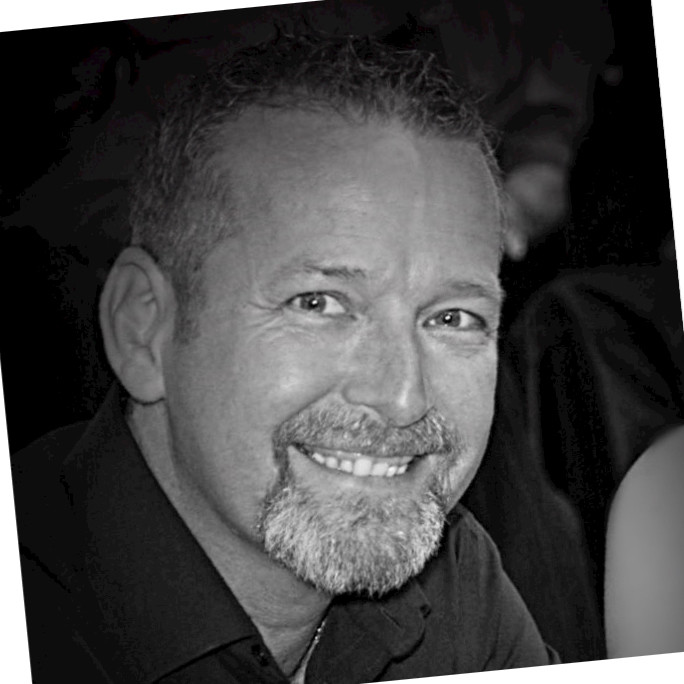
Paul Gullon-Scott
BSc MA MSc MSc FMBPsS
Paul Gullon-Scott is a former digital forensic investigator with nearly 30 years of service at Northumbria Police in the UK, specialising in child abuse cases. As a recognised expert on the mental-health impacts of digital forensic work, Paul now works as a Higher Assistant Psychologist at Roseberry Park Hospital in Middlesbrough and is the developer of a pioneering well-being framework to support digital forensics investigators facing job-related stress. Paul can be contacted in confidence by email at [email protected] or via LinkedIn.