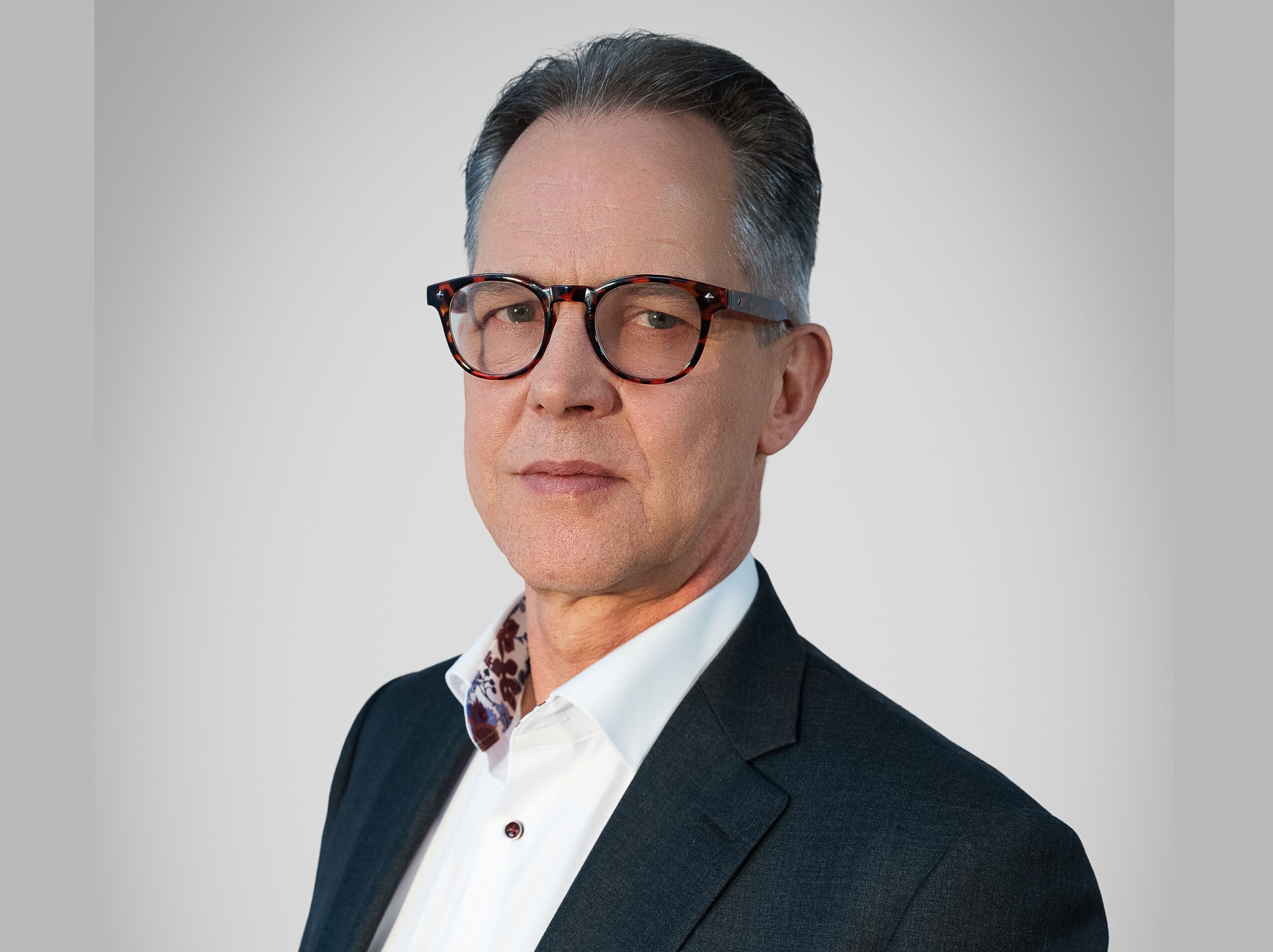
With over 20 years in digital forensics, SYTECH Managing Director Daren Greener talks to Forensic Focus about the national discussion around examination thresholds, how sentencing guidance influences practical decision-making, and why AI is increasingly shaping the working lives of forensic examiners.
Daren, tell us about your background and your current role at SYTECH.
I’ve been with SYTECH for 27 years, and during that time I’ve spent two decades serving as an expert witness in forensic communications, specialising in cell site analysis and geolocation. My career began around the millennium as a generalist, working across mobile and computer examinations, before focusing on radio frequency technologies and location analysis. In 2018, I stepped into the role of Director and later became Managing Director.
Since originally joining SYTECH as Technical Services Manager, I’ve aimed to stay at the forefront of innovation and growth. Today, my role centres on shaping the company’s strategy, driving its expansion, fostering collaborations, and understanding the evolving challenges and influences within the digital forensics marketplace.
Can you give us a brief overview of SYTECH’s services and focus areas?
SYTECH provides a comprehensive range of digital forensic services, with traditional forensics covering mobile devices, computers, and all disciplines recognised by the Forensic Science Regulator. We pride ourselves on being a quality-led organisation with the capacity to handle high-volume casework while also delivering expertise on complex and challenging investigations.
Our independence is central to our ethos, we work for both prosecution and defence, ensuring impartiality and integrity. While our primary focus is supporting public sector clients, particularly law enforcement, we are also diversifying by offering commercial services in areas such as quality assurance and cyber security. This approach allows us to combine deep technical expertise with innovative solutions for a broad client base.
What inspired SYTECH to host the recent workshop on digital forensic examination thresholds?
The idea stemmed from our work with a law enforcement (LE) client where we were already operating at a lower threshold compared to other LE clients. This highlighted an emerging acceptance of alternative approaches and demonstrated a proven track record in practice. Coupled with the growing demand on human oversight in IIOC cases, it became clear that the industry is at a pivotal point of transition. Hosting the workshop allowed us to bring stakeholders together to explore these issues, share insights, and help shape best practice for the future.
How is AI changing the workload and well-being of examiners?
AI is already reshaping the workload and well-being of forensic examiners in significant ways. On the positive side, we’re seeing promising developments in AI-driven classification tools, training aids, and early detection of first-generation imagery. These advances can enhance safeguarding by helping identify victims (both current and historic) more quickly. By filtering out legally held material and reducing human exposure to the most extreme content, AI has the potential to ease the psychological burden on analysts and improve efficiency across all levels of casework.
On the downside, AI introduces the risk of a new wave of offending through the creation of highly realistic synthetic imagery. This is particularly troubling when such content uses stolen likenesses of real children, which constitutes direct harm even without physical contact. The ability to generate convincing material means offending is no longer limited to sharing existing content; it can involve manufacturing new abusive imagery that perpetuates exploitation and fuels further offending. In my view, legislation must evolve to criminalise the creation and distribution of AI-generated indecent material, ensuring that these acts are treated with the same seriousness as traditional offences.
What practical outcomes are you hoping will come from the workshop?
The primary goal is to stimulate meaningful debate and keep these issues firmly on the agenda. Offending in this area continues to rise at an alarming rate, and we need ongoing dialogue to address the challenges effectively. Beyond that, the workshop aims to explore practical solutions that not only reduce offending but also lessen the psychological burden on analysts by reducing unnecessary human oversight of harmful material. Thresholds should be understood as guidance to support decision-making, not as rigid targets that delay intervention. Our focus is on creating a system that prioritises safeguarding and efficiency without compromising justice.
We were delighted to hear that one of the attending forces subsequently negotiated lower threshold values with its respective CPS further to attendance at the workshop. We hope more will follow, and for the debate to progress.
What role does collaboration have in tackling these digital forensic challenges?
Collaboration is critical in addressing the complex challenges of digital forensics. Whether it’s combating emerging threats like AI-generated imagery or managing the sheer scale of data in investigations, no single organisation can tackle these issues in isolation. We need stronger partnerships between law enforcement, private sector specialists, and especially policymakers, to share knowledge, develop standards, and innovate responsibly. At SYTECH, we actively seek opportunities to work with others because collaboration accelerates progress, improves safeguarding, and ensures that solutions are practical and sustainable. The future of digital forensics will be defined by how well we work together.
What’s next for you and the team at SYTECH?
For us, the next step is the continued commitment to innovation and development. That means creating new techniques, improving efficiencies, and introducing better coping strategies for our teams. We’re guided by our mission that we can all ‘Be Better Every Day,’ and that ethos drives everything we do. Growth and progress have always been part of SYTECH’s DNA, and we aim to stay ahead in the industry by addressing the right issues at the right time and showcasing the real value digital forensics brings, which is often underestimated.
And finally, what do you enjoy in your spare time?
Spare time is a rare commodity when you’re leading a business. I enjoy keeping busy and constantly finding new things to do, though the truth is my mind rarely switches far from work. I’m always thinking about how to make a positive impact and drive change. Perhaps that’s why I sometimes wonder if spare time is overrated, but I’ll know more when I find some 😊