By Paul Gullon-Scott BSc, MA, MSc, MSc, FMBPsS, Forensic Mental Health & Well-being Lead, Spectrum Specialist Consultancy Ltd
For years, I have been asking a simple question:
Why is there still no dedicated mental health and well-being training for Digital Forensic Investigators?

During that time, I have spoken with training providers, shared research, supplied teaching materials, and encouraged organisations to develop evidence-based accredited courses. I genuinely hoped someone would take the lead.
No one has.
Meanwhile, the evidence has continued to grow. We now know far more about the psychological impact of digital forensic work than we did just a few years ago. We understand the occupational stressors, the role of organisational factors, and the protective measures that can reduce the risk of burnout, secondary traumatic stress, anxiety, depression and PTSD.
Yet the profession still lacks structured, evidence-based training to help investigators, supervisors and managers understand these risks and respond effectively.
So, rather than waiting any longer, I’ve decided to build it myself.
Over the coming months, through Spectrum Specialist Consultancy Ltd, I will be delivering a series of CPD-accredited sessions focused exclusively on the mental health and well-being of Digital Forensic
Investigators.
These sessions will cover:
- The known psychological stressors associated with digital forensic work
- How and why these stressors develop over time
- The latest international research on DFI well-being
- Practical, evidence-based strategies investigators can use to protect themselves
- What supervisors and managers should be doing to create psychologically healthier teams and reduce harm
- The organisational changes that research consistently shows make the greatest difference
This training isn’t based on opinion. It’s built on the latest published research, my own research into DFI mental health, 14 years of lived experience working as a Digital Forensic Investigator, and my own
experience of becoming very unwell because of the lack of support available.
For too long, we’ve expected investigators to simply be resilient enough to cope with the psychological demands of the job. Resilience matters, but it is not a substitute for good leadership, healthy organisational cultures, evidence-based support, education or access to the correct psychological support.
If we truly value the people doing this work, then we have a legal responsibility to prepare them for its psychological realities, not simply to respond once they become unwell.
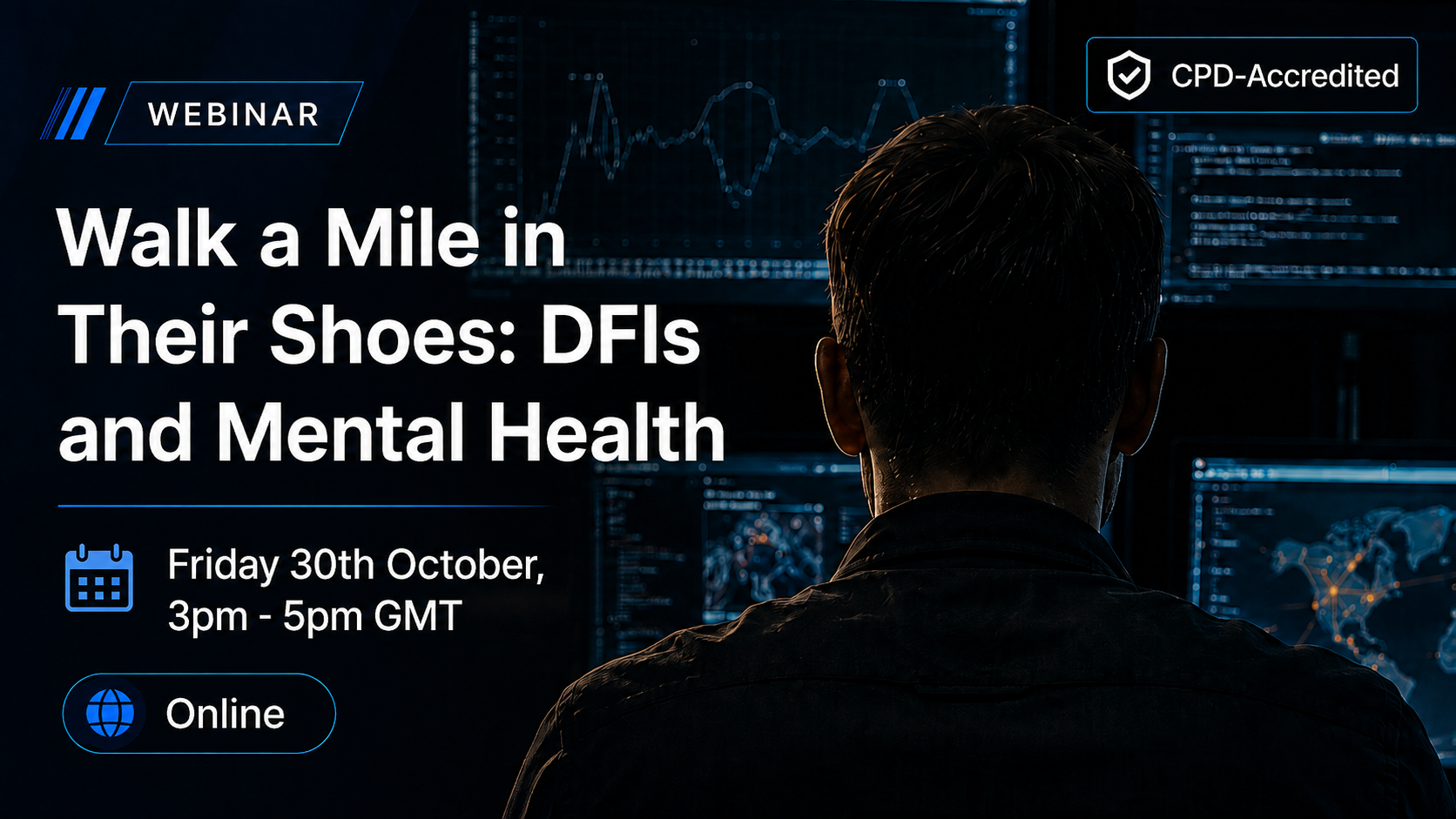
The first session, Walk a Mile in Their Shoes: DFIs and Mental Health, is now available to book.
My hope is simple: that this is the beginning of a wider conversation and, more importantly, meaningful change for the people who protect some of the most vulnerable members of society while often carrying an invisible burden themselves.
Paul Gullon-Scott BSc MA MSc MSc FMBPSS is a former Digital Forensic Investigator with nearly 30 years of service at Northumbria Police in the UK, specializing in child abuse cases. As a recognized expert on the mental health impacts of digital forensic work, Paul now works as a Higher Assistant Psychologist at Roseberry Park Hospital in Middlesbrough and is the developer of a pioneering well-being framework to support digital forensics investigators facing job-related stress. He recently published the research paper “UK-based Digital Forensic Investigators and the Impact of Exposure to Traumatic Material” and has chosen to collaborate with Forensic Focus in order to raise awareness of the mental health effects associated with digital forensics. Paul can be contacted in confidence via LinkedIn.