Leveraging DKIM In Email Forensics

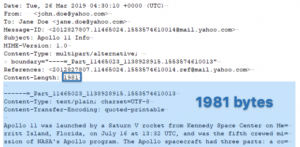
by Arman Gungor My last article was about using the Content-Length header field in email forensics. While the Content-Length header is very useful, it has a couple of major shortcomings: Most email messages do not have the Content-Length header field

Mobile Virtual Network Operators (MVNOs) In The US

by Patrick Siewart  Increasingly, cellular records and their associated location information are being used in civil litigation, where previously they were considered to be a “law enforcement only” tool.  But in the age when users carry at least one smartphone

Windows Registry Analysis 101

by Chirath De Alwis Computer forensics is the process of methodically examining computer media (hard disks, diskettes, tapes, etc.) for evidence [1].  When considering computer forensics, registry forensics plays a huge role because of the amount of the data that

Techno Security And Digital Forensics Conference CA 2019 – Recap

by Mattia Epifani The Techno Security and Forensics CA conference took place between 11th and 13th March at The Hilton Torrey Pines in La Jolla (San Diego). More than 200 attendees were present, coming from different fields like digital forensics,

Using The Content-Length Header Field In Email Forensics

by Arman Gungor As forensic examiners, we often have to analyze emails in isolation without the benefit of server metadata, neighbor messages, or data from other sources such as workstations. When authenticating an email in isolation, every detail counts—we review

Forensics Europe Expo London 2019 – Recap

by Jade James  This article is a recap of some of the main highlights from the Forensics Europe Expo 2019, which took place in London, UK on the 5th and 6th of March. The Forensics Europe Expo has now run

Burnout in DFIR (And Beyond)

by Christa Miller, Forensic Focus Quite a lot has been written over recent weeks about burnout. Not only DFIR-specific posts, first from Richard Bejtlich and then, in follow-up from Eric Huber and Brett Shavers; but also news articles including: Why

Email Forensics: Investigation Techniques

by Chirath De Alwis Due to the rapid spread of internet use all over the world, email has become a primary communication medium for many official activities. Not only companies, but also members of the public tend to use emails

Forensic Examination Of Manipulated Email In Gmail

by Arman Gungor Last week, I came across an interesting post on Forensic Focus. The poster, jahearne, was asking about how one can detect manipulation of an existing email in Gmail. In his hypothetical scenario, the bad actor was using

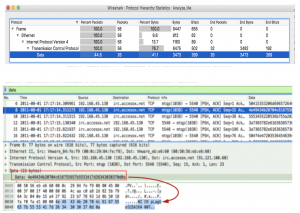
Dissecting Malicious Network Traffic To Identify Botnet Communication

by Swasti Bhushan Deb Botnets are well-known in the domains of information security, digital forensics and incident response for hosting illegal data, launching DDOS attacks, stealing information, spamming, bitcoin mining, spreading ransomware, launching brute force attacks, managing remote access to

Scene Of The Crime: You’ve Found A Drone. What Do You Do?

by Lee Reiber, COO, Oxygen Forensics, Inc. The proliferation of recreational drones and their impact on digital incident response has dramatically increased during the last several years. In January 2018, Nextgov stated the U.S. Federal Aviation Administration (FAA) reported over